Gas Station Loans
Fund your next fuel delivery, upgrade your pumps, and stock the store out front, all without draining your working capital.
See your amount, payment, and term before you commit to a single load of fuel.
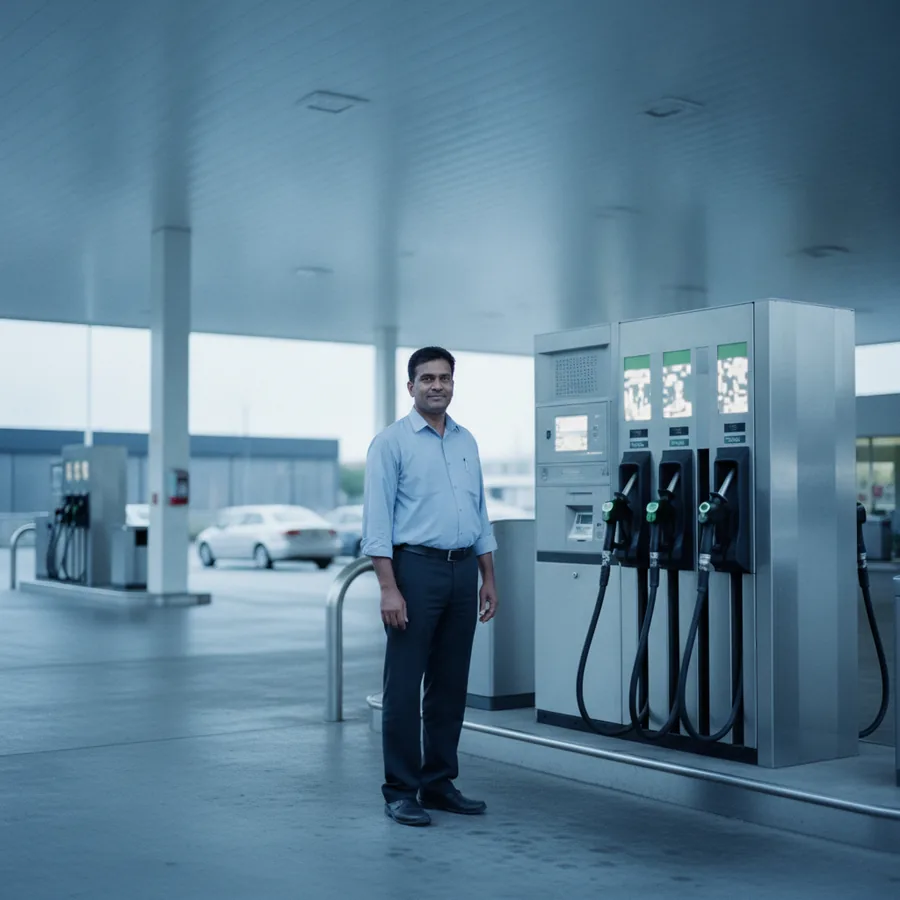
Gas station loans for fuel retailers
You pay for a fuel load up front, at prices that move constantly, and your margin on each gallon stays razor thin. FundBetter gives you the cash to keep your tanks full and your convenience store shelves stocked, so drivers keep pulling in and keep spending once they're inside.
One application funds both the pumps out front and the store behind them. Whether you're covering a wholesale fuel delivery, upgrading pumps to EMV, or adding a car wash, you get capital and advisors who know the fuel business.
Why gas stations need working capital
Fuel deliveries upfront
Cover each wholesale fuel delivery the day it lands, even when the price per gallon swings hard from one week to the next.
Aging pumps and tanks
Fund the EMV card readers your dispensers need at the pump, plus the tanks and lines that carry regulated replacement deadlines.
Thin forecourt margins
Keep cash on hand when you barely make money on the gallon and card processing fees take their cut.
Why gas station profit margins are so thin
Your station can run millions of dollars through the pumps in a year and still operate on a very thin net margin. Fuel is priced to the penny and shopped by every driver who passes, so the spread between what you pay your supplier and what you post on the sign is small. Card processing fees take a further bite out of every gallon.
The inventory float is what makes this hard to manage, and it's where funding earns its keep. A tanker delivery is paid for on or near delivery, and a single load can represent tens of thousands of dollars leaving your account at once. That money isn't gone, but it's locked inside the tanks until drivers pull it out one fill at a time.
When the rack price rises, the same 8,000 gallon load costs more to replace than the one you just sold, so the cash you recovered from the last delivery no longer covers the next. Rising prices quietly increase the working capital your station needs to run at the same volume.
This is why the convenience store carries so many sites. C-store items turn at margins many times what a gallon returns, and the fuel out front largely functions as the traffic driver. When you borrow, it's usually to protect that structure: keep the tanks full so drivers keep arriving, and keep the shelves stocked so they spend once inside.
Supply agreements shape your options as well. A branded station operates under a contract that often obligates you to image standards and equipment upgrades on a schedule the brand sets. An unbranded operator can shop the rack more freely but gets less support when a dispenser or canopy needs replacing.
Merchant cash advance vs. equipment financing
These are the two products fuel retailers reach for most, and each solves a different problem for you. A merchant cash advance frees up the cash trapped in your inventory float. Equipment financing pays for the hardware and matches the term to its life.
| Merchant cash advance | Equipment financing | |
|---|---|---|
| What it funds at a station | Fuel deliveries, c-store restocks, payroll, and any short-term gap you cannot schedule | Dispensers, card readers, tanks, canopies, coolers, and car wash equipment |
| How you repay it | A set share of your daily pump and store card sales, taken automatically as they settle | Fixed monthly payments over a term matched to the useful life of the equipment |
| What secures it | Your future card receipts. No specific asset is pledged | The equipment itself, so no additional collateral is usually pledged |
| Speed to funding | Fast. Funds can reach a station in as little as 24 hours | Slower than an advance, since the equipment and vendor quote are part of the file |
| Typical cost profile | Higher cost of capital, priced for speed and for repaying against variable sales | Lower cost, because the asset backs the deal and the term is longer |
| Which station owner it suits | Sites with steady daily card volume that need cash inside a week | Owners making a planned capital purchase they intend to keep for years |
What gas station owners finance
Fuel retail ties up more capital in fixed assets than most small businesses, and compliance deadlines drive much of the spending rather than choice. Financing lets you meet it without draining the tanks.
Underground storage tanks and compliance
Tanks, lines, spill buckets, and leak detection systems are regulated equipment with finite service lives. A tank replacement is one of the largest single costs your station will face, it takes the site partly out of service, and the deadline is set by regulation rather than by your cash position. Financing lets you meet that deadline without emptying your account, and when the work is large enough to sit alongside the property itself, SBA loans carry the longest terms available.
Dispensers and EMV card readers at the pump
Financing the EMV upgrade stops the bleeding at the pump. The EMV liability shift moved responsibility for counterfeit card fraud to whichever party has the less secure technology, so non-compliant readers at the pump leave you absorbing chargebacks on fraudulent transactions. Retrofitting or replacing dispensers is expensive per island, and the cost of doing nothing accumulates quietly on your chargeback statements.
Canopy, lighting, and forecourt image
Drivers pick a station at highway speed, so funding a bright, clean canopy pays you back in the cars that pull in instead of passing by. LED conversion cuts an electricity bill that runs every night of the year, and branded operators are often required to refresh canopy image and signage on the supplier schedule. These projects have predictable costs, which makes them easy to finance over a set term.
C-store buildout, coolers, and food service
Funding walk-in coolers, fountain and coffee equipment, shelving, and a hot food program raises what an existing customer spends per visit. Coolers are unforgiving: when one fails, the inventory inside it's lost and the replacement can't wait, so quick access to capital protects the stock.
Car wash equipment and other add-ons
A car wash is one of the highest-margin additions you can make to a fuel site, and it pulls traffic that has nothing to do with the pump price down the road. Tunnel or in-bay equipment, water reclamation, and payment terminals have long service lives, which makes financing tied to the equipment itself a natural way to add one without a large cash outlay.
Pros and cons of a merchant cash advance
A merchant cash advance repays as a share of your daily card volume, which fits fuel retail well in some situations and poorly in others. Here's how to tell which one is yours.
When a cash advance works for a gas station
- A fuel delivery is due and the last load has not fully sold through
- Your pump and store card volume is steady, which is what repayment is calculated against
- A cooler or fountain system failed and cannot wait for a longer approval
- You want to restock c-store shelves ahead of a holiday weekend
- Your credit file would not clear a bank, but daily card receipts are strong
- You need funds inside a few days and a fixed monthly payment is not the priority
When a station should fund a different way
- You are buying tanks, dispensers, or car wash equipment, where equipment loans cost less and match the term to the asset
- A large share of your sales are cash, since repayment is drawn from card volume only
- Your margin is thin enough that a daily deduction would leave you short on the next load, where revenue-based financing that flexes with monthly sales sits easier
- You need one predictable fixed payment each month for planning
- You are covering an ongoing operating loss rather than a timing gap, which borrowing will not fix
- You have time to plan the purchase, where a longer term at lower cost is the better trade
Best ways to use gas station loans
Fuel retail spends money in two places at once: the forecourt and the store behind it.
Funding options for gas stations
A station carries inventory that turns over in days and equipment that lasts decades.
Short-Term Business Loans
Cover a fuel delivery now and repay over the weeks the tanks sell down.
Learn moreEquipment Financing
Spread pump upgrades, tank replacement, or a car wash across their long service life.
Learn moreMerchant Cash Advance
Fuel and store sales run on cards, so repayment moves with volume at the pump.
Learn moreBusiness Lines of Credit
Restock convenience shelves between deliveries without holding cash idle for the next load.
Learn moreWho qualifies for gas station loans?
Approval leans on your pump and store card volume rather than a perfect credit file, which is why many station owners qualify after a bank has passed.
Frequently Asked Questions
Can I get a gas station loan to cover a fuel delivery?
Yes. This is the most common reason station owners borrow. You pay for a tanker load on or near delivery while the fuel sells out one tank at a time over the following days. A short-term loan, a line of credit, or an advance against card sales all bridge that window for you, and funds can arrive in as little as 24 hours.
How do I finance EMV-compliant card readers at the pump?
Equipment financing is normally the cleanest fit for this. It covers dispenser retrofits and full replacements, spreads the cost across a term rather than pulling it out of your operating cash, and is typically secured by the equipment itself. That security usually means better pricing than you would get on an unsecured option for the same amount.
Does my convenience store revenue count toward qualifying?
It does, and it helps. We look at total deposits and card volume across the site, so fuel sales and in-store sales are both counted. Because c-store items carry far better margins than gallons, strong inside sales often make a station a better credit than the fuel numbers alone would suggest.
Can I get funding to replace underground storage tanks?
Yes. You can finance tank replacement, line upgrades, and leak detection work as equipment or through long-term business loans. These projects come with fixed quotes and regulatory deadlines, which makes them well suited to term financing rather than paying from working capital and leaving your station short for fuel.
Does being a branded station affect my funding options?
Not for approval purposes. Branded and unbranded operators both qualify on revenue and time in business. The practical difference is timing: a supply agreement may commit you to image and equipment upgrades on a schedule the brand sets, so knowing what's coming lets you arrange financing ahead of the deadline.
What do gas stations need to qualify for funding?
The general baseline is 6 or more months in business, at least $15,000 in monthly revenue, and a credit score around 500 or higher. Consistent card volume through the pumps and the store matters more than a perfect credit file, and funding runs up to $5M depending on the size of your operation.
Other industries we fund
We know the cash-flow realities of 22 industries. If yours is not Gas & Oil, chances are we fund it too.
Fuel growth with gas station loans
Apply in minutes, speak with one of our advisors who understands fuel margins, and see your full terms before you sign anything.