Equipment Financing
Get the machinery, vehicles, or technology your business needs working now, with the equipment itself serving as the collateral.
Bring a vendor quote and get a decision, usually within a single business day.
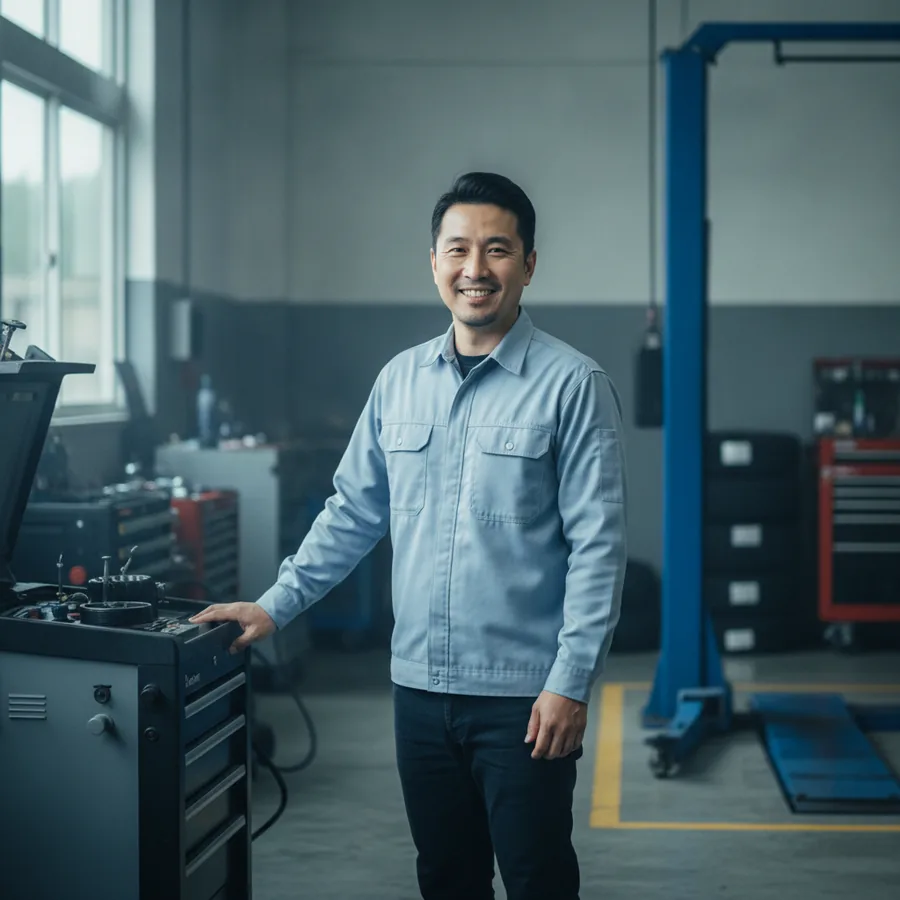
What is equipment financing?
Equipment financing from FundBetter puts the vehicles, machinery, computers, or kitchen appliances your business runs on to work now, without draining the reserves you have built. It's funding to buy business equipment, and the equipment itself typically serves as the collateral, which keeps approval within reach even when your other assets are tied up.
Instead of paying the full cost upfront, you spread it over the useful life of the equipment with regular payments, so the asset starts earning for your business right away while your cash stays free for everything else.
Benefits of equipment financing
Get the equipment now
Start earning with the machinery, vehicles, or technology you need today, instead of waiting until you have saved the full cost.
Often up to 100% financed
Put little or nothing down, since many programs cover the full equipment cost and even soft costs like delivery and installation.
The equipment secures the deal
Qualify more easily and get more favorable terms, because the equipment itself is the collateral rather than your other assets.
Preserve your working capital
Hold onto your cash for payroll, inventory, and daily operations while the financing covers the asset itself.
How does equipment financing work?
Pick the equipment you need and apply with a quote or invoice from the vendor, which is the only paperwork most deals need to start. FundBetter matches you with financing that covers the cost, often up to 100%, and lays out the term and payment schedule so you know the number before you commit, usually within a single business day.
Once you sign, the equipment is paid for and put straight into service, and you repay over a term that usually matches the useful life of the asset. At the end of the term, the equipment is fully yours to keep.
What equipment financing costs
On an equipment financing deal, the number that shapes your cost the most is usually not the rate. It's the term, and knowing how it's set puts you in control of the deal. Lenders match the length of the financing to how long the asset will realistically earn, which is why terms run from 1 to 6 years rather than a single standard length, and that works in your favor. A laptop fleet or a point-of-sale system that will be replaced in three years doesn't get a six-year term. A CNC machine in a manufacturing shop, a commercial oven, or a box truck that will still be working in year six can. You avoid still paying for a machine after it has stopped producing, and the lender avoids holding collateral worth less than the balance.
That also means the term you're offered is a signal. If a lender shortens the term on a piece of equipment you expected to keep for a decade, it usually reflects how quickly that category loses value or how hard it's to resell.
Rate is set by three things. First, the asset itself. Standard, widely used equipment with an active resale market prices better than specialized or custom-built machinery that only a handful of buyers would want. Second, the age and condition of the equipment. Older units carry higher rates because the collateral is thinner. Third, your profile: time in business, personal credit, and whether your revenue comfortably covers the new payment on top of existing obligations. A business past one year in operation with a personal credit score of 500 or better will see options, but stronger numbers on both move the pricing.
Soft costs are the part owners most often forget to plan for. Delivery, freight, rigging, installation, training, extended warranties, and sales tax can add a meaningful amount on top of the sticker price of the machine, sometimes 10 to 20 percent on the heavy equipment construction businesses need craned in and calibrated. Many programs will roll these into the financed amount, but not all of them, and the ones that do sometimes cap soft costs as a share of the total. Ask before you sign, because the alternative is paying those costs out of pocket on the day the machine arrives, which defeats the purpose of preserving your working capital.
When you compare two offers, compare the total of all payments, not the monthly figure. A longer term almost always produces a smaller payment and a larger total cost. Ask what the payment includes, whether there's a documentation or origination fee, and what happens if you repay early.
Equipment financing vs. equipment leasing
Both put the asset in your hands without paying the full price upfront, and both keep your cash working elsewhere. The choice comes down to what you want to be holding when the term ends, and who carries the risk that the equipment becomes obsolete, so it's worth settling before you sign.
| Equipment financing | Equipment leasing | |
|---|---|---|
| Ownership at end of term | You own the equipment outright once the balance is repaid. Nothing further to do. | The lessor owns it. You return it, renew, or buy it out at a price set in the contract. |
| Monthly payment | Higher, because you are paying down the full value of the asset. | Lower, because you are only paying for the portion of value used during the term. |
| Upfront cost | Often nothing down, since the equipment secures the deal. Some deals include a small down payment. | Usually first and last payment plus a security deposit or documentation fee. |
| Maintenance | Yours from day one. You schedule and pay for all service and repairs. | Depends on the lease. Full-service leases may bundle maintenance into the payment. |
| Obsolescence risk | You carry it. If the technology dates quickly, you are holding the old asset. | The lessor carries more of it. You hand the equipment back and take a newer unit. |
| Who it suits | Equipment with a long working life that will still be earning after the last payment, which is why trucking companies usually finance rather than lease. | Equipment you would rather hand back at the end than have to resell yourself. |
New vs. used equipment financing
Used equipment is financeable too, and often the smarter buy when you want more machine for your money. What changes is the term, the rate, and how much proof of condition the lender wants before funding.
New equipment financing
The simplest path, and usually the cheapest. Value is established by the vendor invoice, the manufacturer warranty is intact, and the resale market is predictable, so you generally see the longest terms available and the lowest rates on offer. Documentation is usually just the quote and your standard application.
Used equipment financing
Stretch your budget further, though you should expect a shorter term and a somewhat higher rate, because the lender is pricing against remaining useful life rather than full life. Age caps are common on some categories, and hour or mileage readings matter as much as the year. Well-maintained used equipment from a known manufacturer prices far better than an orphan brand with no service network, which matters most to auto repair shops buying lifts and diagnostic gear secondhand.
Buying used equipment from a dealer
A dealer purchase moves fastest because the paperwork already exists. You have an invoice, a serial number, a clear title, and often a reconditioning report or a limited warranty. Funds go directly to the dealer, which the lender prefers because it confirms the money bought the asset.
Private-party equipment purchases
Harder, but not impossible. The lender has no invoice to rely on, so expect a bill of sale, proof of clear title with no existing lien, photographs, serial or VIN verification, and sometimes a third-party inspection or appraisal you pay for. Build extra days into your timeline and confirm the seller will wait for funding before you commit.
When to use equipment financing
Equipment financing is one of the cheaper forms of business borrowing, because the asset backs the deal and does part of the work for you. That advantage disappears the moment the purchase isn't really about the equipment, which is why FundBetter will point you to a better-fitting option when that's the case.
Equipment financing is a good fit when
- The equipment produces revenue or cuts cost, so the asset helps cover its own payment.
- You intend to keep the equipment well past the end of the term and want to own it free and clear.
- You would rather keep cash on hand for payroll, inventory, and slow months than sink it into one purchase.
- A machine failed and replacing it fast matters more than waiting to save the full price, which is the usual case for HVAC contractors in the middle of a season.
- Your credit is average but the purchase is sound, since the collateral does part of the work.
Consider something other than equipment financing when
- You need general working capital. Equipment financing funds a specific asset, not open-ended spending, so a business line of credit fits that need better.
- The equipment will be obsolete before the term ends, which usually points toward a lease.
- The payment only works if revenue grows first. Run the numbers on current revenue, not projected revenue, and consider revenue-based financing if you want payments that track sales.
- You need the asset for a single short project, where renting is almost always cheaper.
- The purchase is a private-party deal that has to close in days, since verification takes longer than a dealer sale.
- Existing debt payments already stretch your monthly cash flow thin, in which case invoice factoring frees up cash without adding another payment.
Best ways to use equipment financing
If it runs, hauls, cooks, or computes, it can usually be financed. This is what owners put on our paper most often.
Who qualifies for equipment financing?
Because the equipment itself secures the deal, requirements are lighter than unsecured borrowing. A vendor quote moves things fastest.
Check if you qualifyFrequently Asked Questions
What do I need to qualify for equipment financing?
Most approvals start with one or more years in business, a personal credit score around 500 or higher, and a quote or invoice for the equipment you're buying. Because the equipment secures the financing, requirements are lighter than unsecured borrowing. Lenders also look at whether your current revenue supports the new payment alongside your existing obligations.
Can equipment financing cover delivery, installation, and taxes?
Often yes. Freight, rigging, installation, training, and sales tax are known as soft costs, and many programs roll them into the financed amount. Not every program does, and some cap soft costs as a share of the total. Confirm this before you sign, because on heavy equipment these costs can add a significant amount to the sticker price.
How long are equipment financing terms?
Terms generally run from 1 to 6 years and are matched to the useful life of the asset. Technology and other fast-depreciating equipment sit at the short end. Heavy machinery, commercial vehicles, and industrial equipment that stays productive for years can reach the longer terms. A shorter offer than you expected usually reflects how quickly that category loses resale value.
Can I finance equipment bought from a private seller?
Usually yes, though it takes longer than a dealer purchase. Expect to provide a bill of sale, proof that the seller holds clear title with no existing lien, photographs, and serial or VIN verification. Some deals require a third-party inspection or appraisal. Plan extra days into your timeline and make sure the seller will wait for funding.
Who pays for repairs if the equipment breaks down?
You do. With equipment financing you own the asset from day one, so maintenance, service, and repairs are yours to schedule and pay for. The payment schedule doesn't pause while a machine is down. If you would rather have maintenance bundled into a single payment, a full-service lease may be the better structure to compare.
Can I pay off equipment financing early?
In most cases yes, but the savings depend on how the agreement is written. Some contracts let you settle the remaining principal and stop the interest. Others set a fixed total cost or apply a prepayment fee, so paying early saves less than you might expect. Ask for the early payoff terms in writing before you sign.
Other business funding options
Fuel growth with equipment financing
Bring a vendor quote and get a decision quickly. Checking your options is free and will not affect your credit.