How Equipment Financing Actually Works
Equipment financing is a loan or lease used to buy business equipment, where the equipment itself serves as the collateral. Because the asset secures the deal, approvals are often faster and open to businesses that might not qualify for unsecured funding.
The structure is simple. You receive funds to purchase the machine, vehicle, or system, then repay over a set term. Many deals cover up to 100 percent of the cost, so you can acquire what you need without a large upfront outlay.
At the end of the term you typically own the equipment outright. That makes financing a path to ownership, not just temporary access.
Why the Equipment Backs the Loan
Lenders take on less risk when a loan is backed by something they can value and recover. The equipment plays that role here, which is why rates and terms on secured financing often look friendlier than unsecured options.
This also shapes how much you can borrow. The stronger and more resellable the asset, the more comfortable a lender is funding a large share of its price. Standard, widely used equipment tends to earn the best treatment.
Because the asset carries the loan, your other assets usually stay free. That keeps borrowing capacity open for payroll, inventory, and the day-to-day needs of the business.
When Financing Beats Paying Cash
Paying cash for equipment feels responsible, but it can quietly stall growth. A large purchase drains the reserve you rely on for payroll, seasonal cash flow swings, and surprises. Financing keeps that cushion intact while the equipment starts earning right away.
The core idea is matching. Equipment produces value over years, so paying for it over years lines the cost up with the benefit. You avoid a single painful hit and instead cover the tool from the revenue it helps create.
Cash still makes sense for small, cheap items. For major assets, keeping liquid capital available is usually worth the modest cost of financing.
When It Beats Using a Line of Credit
Revolving credit is flexible and ideal for short-term needs, which is why many owners start by getting a business line of credit in place. Using it to buy a long-life machine, though, ties up capacity you may need for inventory or emergencies. It also tends to carry variable costs that can rise over time.
Equipment financing keeps a fixed purchase on its own fixed schedule. That leaves your business line of credit open for the swings in cash flow it was built to handle. The two tools work best side by side, each doing its own job.
| Equipment financing | Paying cash | Line of credit | |
|---|---|---|---|
| Upfront cash | Little or none; up to 100% financed | Full price out of reserves | Draws against your limit |
| Cost | Fixed payments over the asset's life | No financing cost, but ties up capital | Often variable, can rise over time |
| Best for | Major, long-life assets that earn over years | Small, low-cost items | Short-term, revolving needs |
The Tax Angle, in Plain Terms
Equipment purchases often carry tax advantages, and financing doesn't usually take them away. Under Section 179 of the tax code, the IRS lets business taxpayers deduct the cost of qualifying equipment as an expense when it's first placed in service, and businesses may also deduct the interest on the financing, which lowers the real cost of the asset.
The specifics depend on current tax law and your situation. Rules on how much you can write off in a given year change, so treat the tax benefit as a bonus rather than the whole reason to buy.
Talk with a tax professional before you count on any deduction. A quick conversation confirms what applies to your business and your timing.
Choosing the Right Term
The right term matches the useful life of the equipment. A tool expected to run for seven years shouldn't be financed over two, because that crams the cost into a short window and strains cash. Stretch a short-life asset too long, though, and you pay interest after it stops earning.
Aim for payments the equipment can support from the value it creates. For very large or long-lived assets, a long-term business loan can extend the horizon and keep monthly costs low while the equipment does its work.
Balance the two ends. A slightly higher payment on a sensible term usually beats a low payment that outlives the machine.
Industries That Lean on Equipment Financing
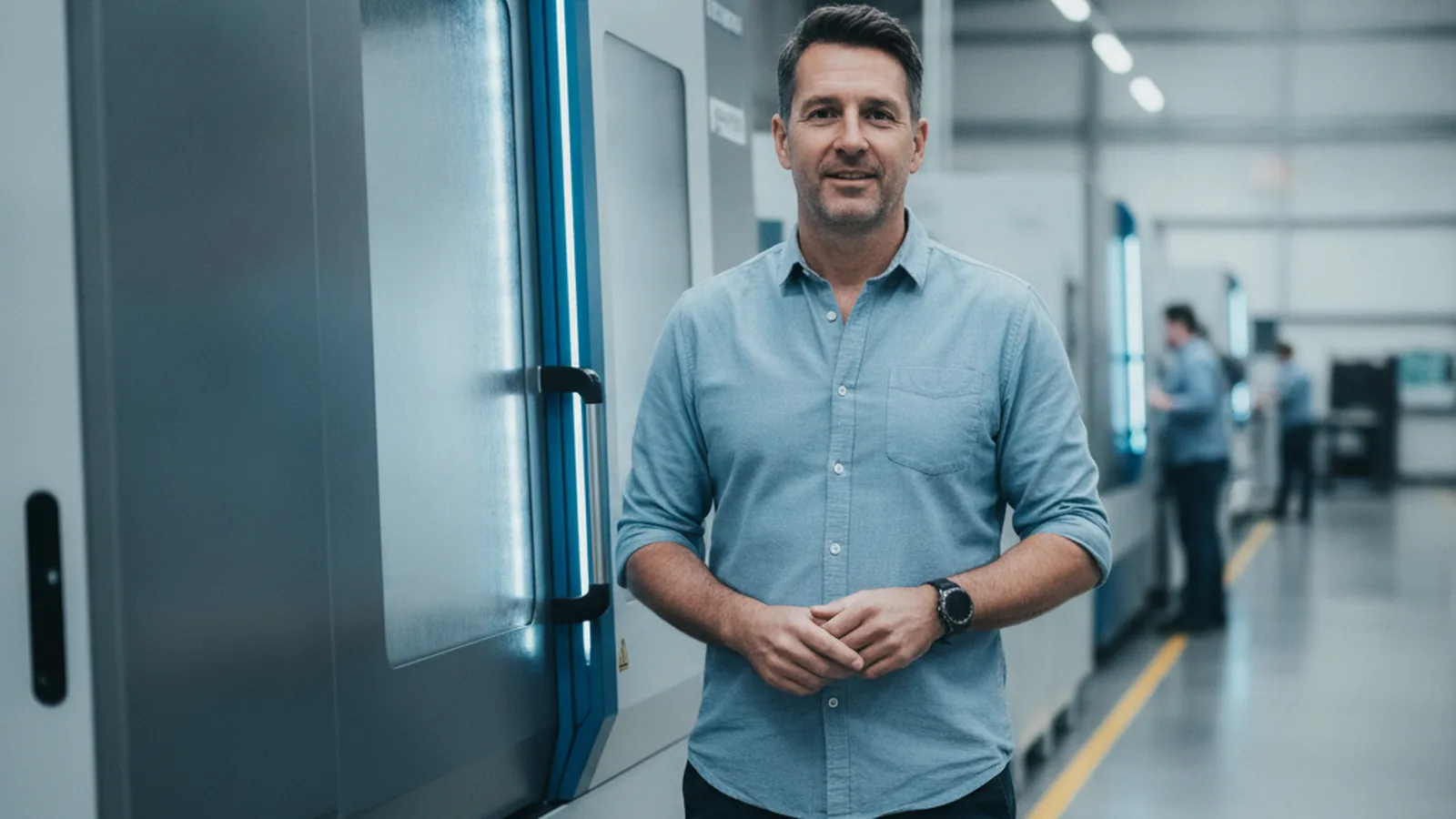
Some businesses simply can't grow without equipment, which is why they rely on financing to add capacity. Manufacturers use it for production lines, presses, and machinery that expand output and win larger contracts.
Fleets tell a similar story. Trucking and other logistics companies finance vehicles and trailers so a single big purchase doesn't freeze their cash. Construction contractors, healthcare practices, farms, and restaurants lean on the same approach for their core gear.
The common thread is clear. When the equipment directly drives revenue, financing it lets the business scale faster than saving up ever could.
Match the Term to the Machine
The expensive mistake here is a three-year term on a press that will still be earning in year eight, because the payment squeezes cash flow it never needed to squeeze. See if you qualify with the supplier quote to hand, and the term gets sized against the working life of the equipment rather than against what fits this month.
Plenty of deals cover the full cost and funds can land in as little as 24 hours. If you're torn between owning and leasing, ask us which suits the asset before you sign either one.